Alameda highlight
Historic island community with Victorian architecture
Founded in 1853 and incorporated the following year, Alameda became an island in 1902 when a tidal canal transformed a peninsula into a distinct waterbound community.
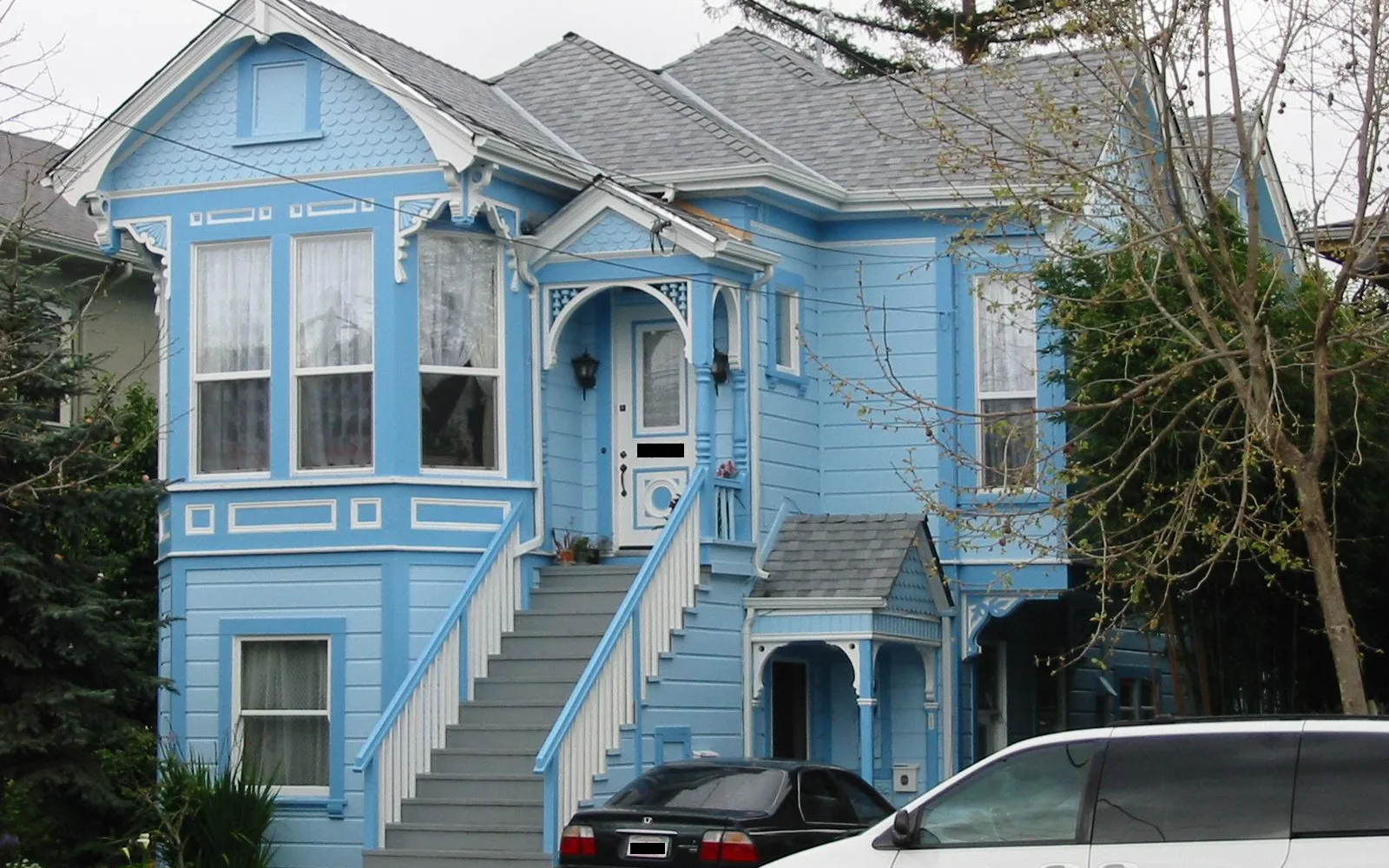
Alameda was established on June 6, 1853, in the aftermath of the Mexican-American War and the United States acquisition of California. The name derives from Spanish meaning a tree-lined avenue or grove of poplar trees, selected by popular vote among early settlers. Before American settlement, the Ohlone people inhabited the region for more than three thousand years. During the Spanish and Mexican periods, the area formed part of Rancho San Antonio, a land grant to the Peralta family in 1820. The city grew steadily through the early era of California statehood and was formally incorporated in 1854.
In 1902, a significant transformation took place: a dredged tidal canal through the surrounding marshland connected Oakland and Alameda, turning the peninsula into an island. The Park Street Historic Commercial District formed around the early railroad lines in the mid-1800s and now stands as both a National Register and California Historical Landmark. The district includes the Croll Building, constructed in 1879, and the Masonic Temple and Lodge. The Alameda Theatre, an Art Deco structure designed by Timothy L. Pflueger, opened in 1932 and remains an architectural landmark. Historic neighborhoods like Fernside, established in 1864 and positioned near the Fruitvale and High Street bridges, preserve the character of earlier eras.
Alameda's blend of nineteenth-century architecture and island identity creates neighborhoods where families have accumulated histories and built their lives. The protected historic districts reflect generations of residents who stayed, raised children, and made plans that extended decades into the future. That same long-view approach to planning—thinking beyond the current moment about who depends on you and what they would need if you were gone—is what life insurance is designed to address.